









Every CEO begins by solving problems, but lasting leaders eventually realize that their most important responsibility isn’t fixing every issue themselves—it’s creating an organization that can thrive without constant intervention. As businesses grow, success depends less on individual effort and more on building systems, empowering people, and making decisions that ensure long-term sustainability.
30 CEOs share the one responsibility every leader must eventually embrace
A CEO’s role evolves from managing daily operations to shaping the company’s future. This means developing capable leaders, establishing clear processes, and creating a culture where accountability exists at every level. When a business can consistently deliver results without relying on the CEO for every decision, the company becomes more resilient, scalable, and prepared for long-term success.
1. Building a team that can succeed without you

One responsibility every CEO must eventually embrace is that, in order to succeed, they have to build a company and a team that can work without them. As leaders, and especially founders, we naturally want to have a hand in everything. But there will come a time when you have to let go of control – trust and delegate to the team you have built, or you will become the thing blocking your own company’s growth. At the end of the day, your responsibility isn’t to make every single decision, but to empower your team so that they can make decisions without you.
Thanks to Monique Bolland, Nuzest!
2. Staying true to your purpose while making difficult decisions

One responsibility every CEO must eventually embrace is the responsibility of making difficult decisions while staying true to the purpose of the business. In the early stages, many founders are involved in everything — customer service, marketing, packing orders, supplier relationships, finances, and day-to-day problem-solving. But as the business grows, the CEO has to step back and take responsibility for the bigger picture: what the business stands for, where it is going, what deserves attention, and what needs to be let go.
Thanks to Aida Rejzovic, Sassy Organics!
3. Saying no to protect your company’s focus

For me, it’s learning to say no. Early on, I said yes to almost every opportunity that came our way at Food Truck Club, and we took on markets we weren’t ready for and chased partnerships that looked good on paper but pulled us away from what actually mattered. The turning point came when I started asking one question before every decision: does this actually serve our food truck operators and the businesses booking them? If the answer was unclear, I passed, and that single habit changed how we grew. Saying no is uncomfortable, but protecting your focus is part of the job.
Thanks to Cody Lee, Food Truck Club!
4. Letting go of control

Letting go of control. I learned this after building a company that hit five billion in revenue, watching leaders who refused to delegate hit a ceiling fast. You can’t scale a business by doing everything yourself. At some point, you have to trust your team with decisions that used to sit only on your desk. I had a client who insisted on approving every single social post before it went live, and her growth stalled at seven figures for two years straight. Once she handed that off to a real marketing team, she doubled her revenue in six months. The bottleneck wasn’t her strategy; it was her grip.
Thanks to Josh Felber, FLBR Motorsport!
5. Making the hard decisions

The one essential skill every CEO must master is being comfortable making the decisions no one else wants to make and then executing them. Your job is to have the hard conversations everyone else avoids: with staff when performance isn’t there, with suppliers when the relationship no longer serves the business, and with yourself when something you built isn’t working. Most leaders delay these conversations because avoidance feels kinder. It isn’t. Every month you put it off, the cost compounds across the whole business.
Thanks to Jamie Xuereb, Media Point!
6. Creating an environment where people thrive
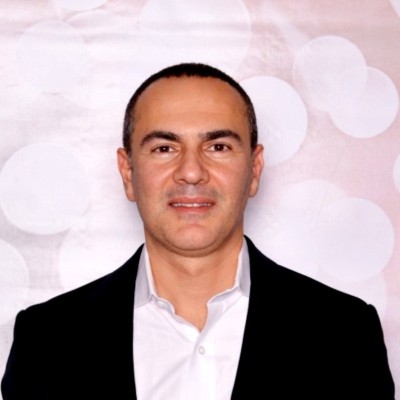
As a CEO, the most important thing you do is to create an environment that enables and encourages people to do their best work and stick around. You can’t manage every order. You can’t oversee every product specification or phone conversation. Instead, you can set clear priorities and reasonable expectations. You can provide practical resources and build an environment in which employees are valued. At VIGO Industries, we’ve found that when people feel listened to and supported, they are much more engaged and are less likely to leave. Employee loyalty leads directly to high-quality output and service.
Thanks to Lenny Valdberg, VIGO Industries!
7. Being the final decision-maker

One responsibility every CEO must eventually embrace is becoming the final decision-maker, without getting stuck in overthinking or waiting until everything feels guaranteed. As a CEO, you rarely have perfect timing, perfect information, or perfect context. As the founder and CEO of a digital business navigating a landscape shaped by AI, Google algorithms, and constantly shifting social media trends, I’ve learned that the role of a CEO is to make the best decision possible with the information available, then keep adjusting as the business, the market, and the moment require.
Thanks to Kate Freebairn, The Pantry Mama!
8. Building people who can thrive through change

The world is changing, technology is changing, but so are people. CEOs are now in a position to leave a legacy, to have an impact on their people, both now and in the future. Businesses need to develop people who are in a position to be creative, effective, and go the extra mile for the cause of the business. The technological cliff edge we are just about to go over is bigger than that of the industrial revolution. To be lean and fighting ready, businesses need to be able to leverage their resources, and this will rely on people. Your staff need to feel safe, feel like they belong, be resilient, and have their wellbeing needs met.
Thanks to Richard Daniel Curtis, The Root Of It Group!
9. Giving honest feedback that motivates improvement

I’m Therese Ravell and have been running Impact HR for 17 years now. As an HR manager and advisor to many CEOs, I believe the most important skill a CEO needs to master is giving honest feedback that motivates improvement. Too often managers soften feedback so much that employees think they are meeting or exceeding expectations. Be clear about the Situation, the Behaviour, and the Impact. We use the SBI acronym to remember it. The final piece is coaching them on how they can improve and what you are committing to do to support them.
Thanks to Therese Ravell, Impact HR!
10. Protecting the long-term health of the company

One responsibility every CEO must eventually embrace is making decisions that protect the long-term health of the company, even when they’re uncomfortable in the short term. In the early days, it’s easy to focus on growth, revenue, and saying yes to every opportunity. Over time, you realize that culture, trust, and reputation are more valuable. A CEO sets the standard for how people are treated, how customers are served, and what the company is willing to walk away from. The hardest decisions often define the organization more than the easiest wins, and embracing that responsibility is what turns a founder into a true leader.
Thanks to Sudeepthi Garlapati, Naarg Data Media Services!
11. Being the face of trust for your product

One responsibility every CEO must eventually embrace is becoming the face of trust for your product. In the early days, you can hide behind the website, but eventually customers, partners, and even journalists want to see a real human who stands behind what you’ve built. I resisted this at first as a non-technical founder, but putting my name, story, and face on our platform measurably increased sign-ups and media interest. People don’t just buy products — they buy the credibility of the person accountable for them.
Thanks to Alex Charter, ProfessionalResume.au!
12. The buck stops with you

Every CEO has to be comfortable with the responsibility of the buck stopping with them. If the culture is off, if productivity is suffering, if the team seems like they’re running on empty (or not running at all), if tough calls need to be made, cutbacks, etc., that all reverts back to the CEO. The CEO ultimately sets the tone of the business.(Good or bad) And they have to make tough, life-changing calls. The leaders I respect most don’t motivate through pressure or fear; they lead by example, motivate through passion, instilling buy-in, not burnout.
Thanks to Jake Munday, Custom Neon!
13. Making yourself less essential to the day-to-day operations
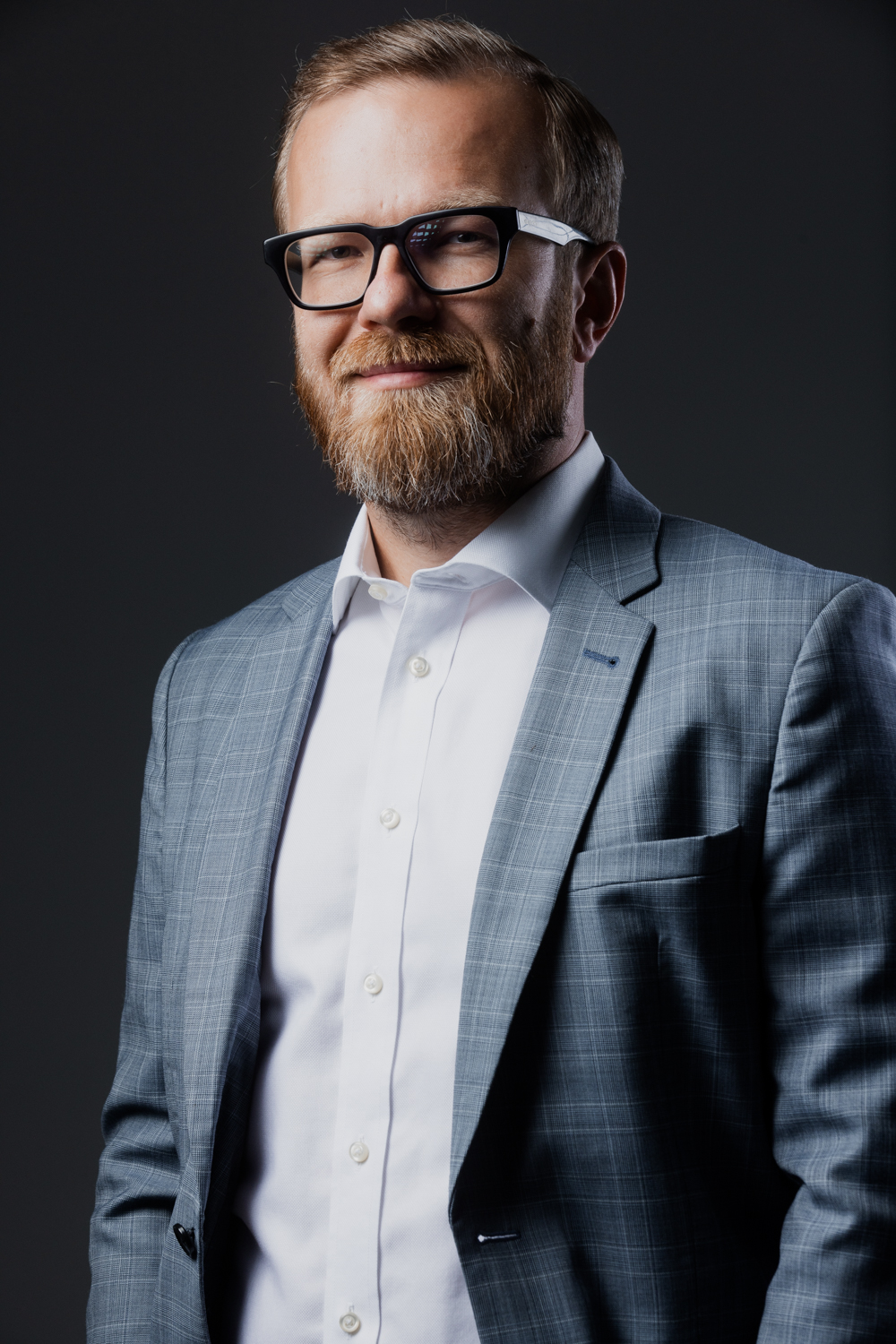
One responsibility every CEO must eventually embrace is making themselves less essential to the company’s day-to-day operations. In the early stages, founders are often involved in every decision, but that approach doesn’t scale. As a business grows, the CEO’s role shifts from solving every problem to building a team capable of solving problems independently. At Versus Trade, we’ve learned that sustainable growth depends on empowering talented people with ownership, trust, and accountability.
Thanks to Vitalii Bulynin, Versus Trade!
14. Letting go of the deals

When I started Justin Landis Group back in 2013, I was the one showing houses. The hardest shift for me was stepping back from client work and stepping into building the team. I had to trust other agents to represent buyers and sellers the way I would. But if you never let go, you cap your own growth. You become the bottleneck instead of the leader. A CEO has to accept that their value isn’t in doing the work anymore. It’s in making sure the work gets done right, over and over, by people they’ve trained well.
Thanks to Justin Landis, Justin Landis Group!
15. Owning your numbers

Every CEO has to eventually own their numbers, not just receive them. Too many founders treat the profit and loss statement as something the accountant deals with. That works fine until it doesn’t. The moment you can’t explain why cash is tight when profit looks fine, you’ve lost control of the business, not just the finances. I tell clients the same thing every quarter. If you can’t read your own numbers, you’re not running the business; you’re a passenger in it. That responsibility never goes away. It only gets more expensive to ignore the longer you wait.
Thanks to Morgan Wilson, Credit Accountants & Advisors!
16. Being the Chief Reassurance Officer

One responsibility every CEO must eventually embrace is becoming the business’s Chief Reassurance Officer. In the early years, you think your job is making decisions. As your company grows, you realise your job is helping other people make decisions with confidence. Every day, your team, customers, suppliers, and even your family take emotional cues from how you respond to uncertainty. If you’re calm, they stay focused. That doesn’t mean pretending everything is perfect. It means being honest about challenges while giving people confidence that there’s a plan forward.
Thanks to Charles Liu, Cubic Promote!
17. Being the Chief Truth-Seeker

The responsibility every CEO eventually has to embrace is becoming the chief truth-seeker rather than the chief direction-setter. The moment you become the decision-maker, people stop telling you what’s actually broken. The CEOs who scale well are the ones who build organizational systems that force honesty upward — not because their teams are dishonest, but because hierarchy naturally filters truth. Your job isn’t to have all the answers. It’s to build a company where the answers can actually reach you.
Thanks to Nicky Zhu, Dymesty!
18. Being honest about reality

I believe all CEOs end up having to accept the fact that trying to shield others from reality is poor management. In my early days, I was obsessed with trying to solve all problems personally, thinking it was my role. It wasn’t. I had to make sure everybody knew the truth about the state of the business, regardless of whether they liked it or not. When there is low revenue, you should be honest. When an approach hasn’t worked, take responsibility for it. What’s surprising is that trust develops at a much faster rate when one is willing to admit being wrong than when they act like everything is perfect.
Thanks to Deepak Shukla, Pearl Lemon!
19. Deciding what not to do

The responsibility to decide what NOT to do. Most CEOs are trained to add more initiatives, more opportunities, more capacity, because saying yes feels like leadership and stopping feels like falling behind. But the biggest source of waste I see in any business isn’t inefficiency; it’s the failure to decide. Every CEO eventually has to own the harder responsibility: choosing what deserves focus and having the courage to let the rest go, on purpose, rather than by default. That’s not a productivity skill. It’s a strategic one.
Thanks to Sofía Silva Berenguer
20. Building leaders, not dependence

One responsibility every CEO must eventually embrace is building leaders instead of trying to be the hero. In the early days, you can personally oversee sales, marketing, hiring, and client delivery, but that approach becomes the biggest bottleneck as the company grows. Sustainable growth happens when you trust capable people with ownership, give them the authority to make decisions, and create systems that don’t depend on the CEO’s constant involvement. Your job evolves from solving every problem to developing a team that can solve problems without you.
Thanks to Pankaj Kumar, Naxisweb!
21. Being the Chief Decision-Maker for Culture

One responsibility every CEO must eventually embrace is becoming the chief decision-maker for the company’s culture, not just its strategy. As a founder, I learned that products, marketing, and sales can evolve, but the values you reinforce every day shape how your business grows and how customers remember your brand. At The Punjabi Kudi, I’ve found that leading with authenticity, accountability, and consistency creates trust both within the team and with our customers. A CEO can’t delegate culture; it starts with the example they set through their actions, communication, and decisions.
Thanks to Komal Preet Kaur, The Punjabi Kudi!
22. Killing your own ideas

The responsibility every CEO must eventually embrace is killing your own ideas. Early on, I backed products because I loved them, and I was dead certain they’d sell through the roof. Nobody else in the business can pull the plug on the boss’s favourite project, so if you won’t do it, it doesn’t get done. Your job as CEO isn’t defending what you were sure of last year. It’s being the first person in the room to admit it isn’t working and redirect the money to what is.
Thanks to David Caruso, BuyFactory.direct!
23. Treating your own business like a client

The responsibility I had to eventually embrace was applying the same discipline to my own marketing that I demand from every client. Founders in this industry are notorious for it: you’ll audit a client’s backlink profile in your sleep and then completely ignore your own. Fixing that meant treating Market Me Now itself as an active account, not something that gets attention once the paying work is done. If you wouldn’t accept an excuse from a supplier, don’t accept it from yourself.
Thanks to Emanuel Freer, Market Me Now!
24. Letting go of the work you love doing
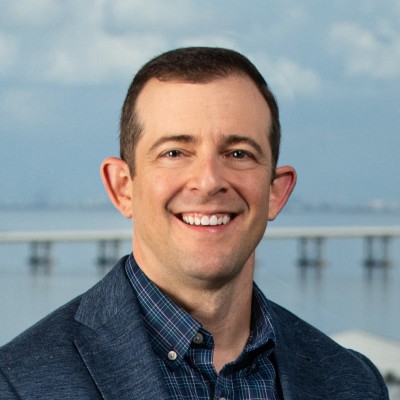
Letting go of the work you love doing yourself. I built Level 6 Incentives on employee rewards and customer rebate programs, and for years I wanted to be in every client call, checking every program detail myself. My job stopped being about doing the work. It became about making sure the right people could do it without me. Now my job is building systems people can trust, not being the smartest person in every room. That responsibility, trusting others with what you built, is the one every CEO has to face.
Thanks to Ben Wieder, Level 6 Incentives!
25. Owning the outcomes

The responsibility every CEO eventually has to accept is owning outcomes they didn’t personally control. Once you have a team, vendors, and systems in motion, you can’t point to who dropped the ball; the standard you set is the standard that shipped. I felt this early on when building Core Aesthetics from the ground up: every process, every piece of client communication, every compliance decision ultimately traces back to me, regardless of who executed it. Blaming the market or the team is a signal you’ve stopped leading. The CEOs who build something durable are the ones who absorb accountability rather than deflect it.
Thanks to Corey Anderson, Core Aesthetics!
26. Grading
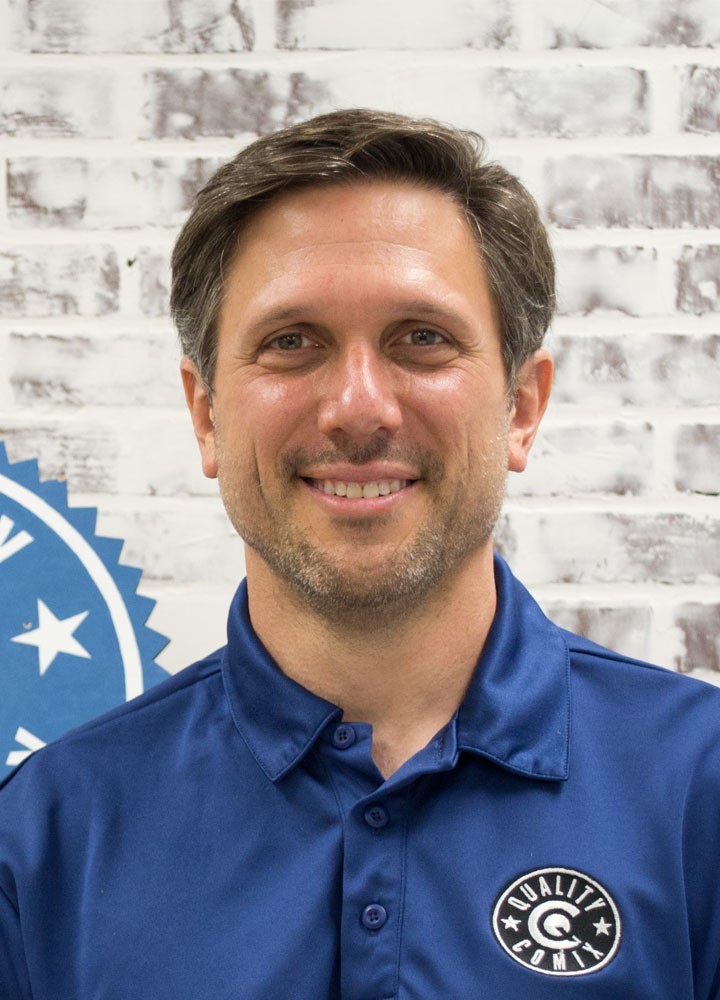
Every comic that comes through my door gets judged by my eyes, not a chart on a wall. I built this business on strict grading, and that reputation didn’t happen by accident. Early on, I wanted to trust every seller’s word on a book’s condition, but that habit cost me money, and it cost me trust with buyers, so I stopped doing it. A CEO has to own the one thing that makes the business what it is, and for Quality Comix, that’s honesty about condition, because a collector spending real money on a 1960s Spider-Man issue deserves to know exactly what they’re getting. I still open the boxes myself, and I still call the grade myself.
Thanks to Brent Moeshlin, Quality Comix!