







Running day-to-day operations is essential, but leading as a CEO goes far beyond managing tasks and putting out fires; it’s about setting vision, making strategic decisions, and building a business that can grow without relying on you for every move. The shift from operator to CEO happens when leaders stop working in the business and start working on it, with clarity, confidence, and long-term focus.
18 Entrepreneurs share what truly separates operators from CEOs
From delegating effectively and thinking strategically to developing leadership presence and aligning teams around a clear vision, there are defining traits that distinguish true CEOs from hands-on operators. We asked entrepreneurs and business leaders to reflect on this transition and share the mindset shifts and habits that helped them step fully into the CEO role, and here’s what they had to say:
1. Mindset
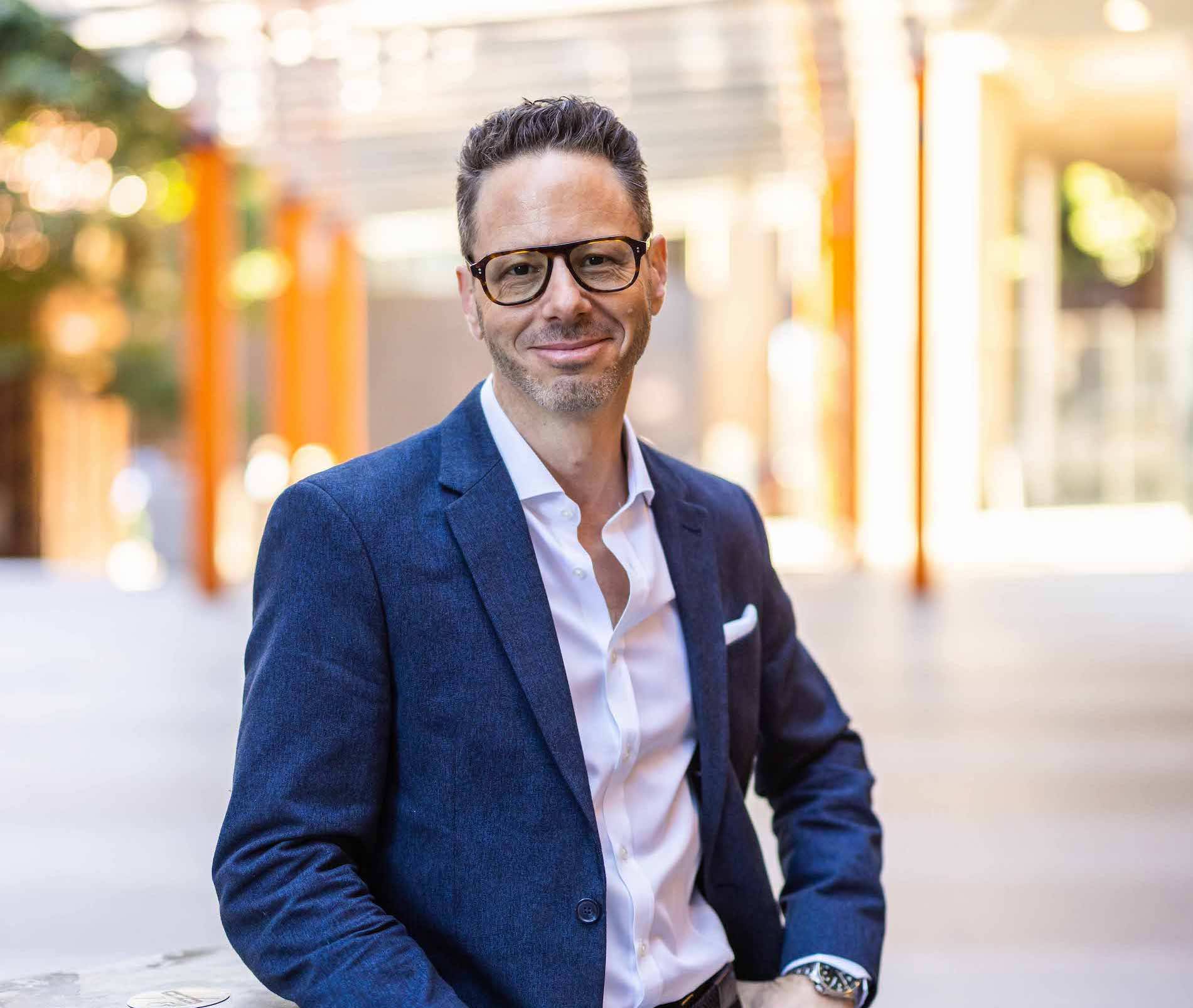
The difference between an operator and a true CEO is mindset. Operators measure success by activity and output; CEOs measure success by alignment, momentum, and quality of decision-making across the system. CEOs think in time horizons, not task lists. They invest heavily in people, culture, and strategic clarity because they understand their real job is to multiply capability, not be the smartest person in the room. When leaders fail to make this shift, they become bottlenecks. When they do, the business scales without burning them out.
Thanks to Dan Auerbach
2. Choosing leadership by design
Becoming a business owner is easy: buy (or start) a business, and the title comes with it. Becoming a CEO is different. That role requires a conscious decision to lead, not by default, but by design. A true CEO takes responsibility for the entire business, not just the technical work they were trained to do. Their focus shifts to setting direction, allocating resources for maximum impact, and deliberately shaping a culture that allows the business to grow without them being at the centre of everything.
Thanks to Angus Pryor
3. Two things
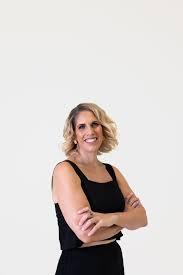
The difference between an operator and a true CEO comes down to decision-making and identity. They manage tasks, respond to problems, and stay busy inside the business. A true CEO prioritises leverage, builds systems that remove dependency on them, and makes choices based on long-term impact rather than short-term relief. The shift happens when someone stops asking “what do I need to do next?” and starts asking “what does this business need to become?” That mindset change is what allows a business to scale without burning out the person behind it.
Thanks to Sasha Eburne
4. Designing businesses beyond self

In my experience, operators focus on keeping the business running while true CEOs focus on ensuring the business can run without them. Operators are immersed in day-to-day execution like solving today’s problems, approving tasks, and staying close to delivery. They invest time in building leadership capability, defining culture, and making fewer yet higher-impact decisions. The real shift happens when a leader moves from being the best problem-solver in the room to designing an organisation where the right problems are solved continuously, even in their absence.
Thanks to Manoj Sharma, Appetency Recruitment Services!
5. Perspective and approach to leadership
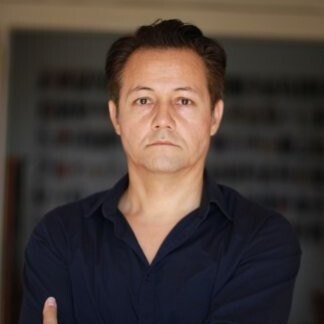
In my experience, the key distinction between operators and true CEOs lies in their perspective and approach to leadership. Operators excel at execution; they focus on the here and now, streamlining processes, ensuring efficiency, and delivering immediate results. True CEOs, however, operate on a broader, more visionary level. They think in terms of long-term strategy, culture, and creating sustainable growth. True CEOs embody the ability to inspire, delegate effectively, and cultivate a forward-looking mindset across the organization, all while keeping an eye on the big picture. It’s this ability to balance both the macro and micro that truly sets them apart.
Thanks to David Ratmoko, Metro Models!
6. Architecting self-led organizations

Operators focus on execution inside the business, while true CEOs focus on building a business that can execute without them. Operators solve problems; CEOs design systems and leadership structures so problems are resolved at the right level. The shift happens when a founder stops being the smartest or hardest-working person in the room and instead becomes the architect of clarity, vision, and flow. True CEOs measure success by how self-led the organisation becomes when they step back.
Thanks to Joanna Zhang, The Operations Genius!
7. Vision anchored in reality
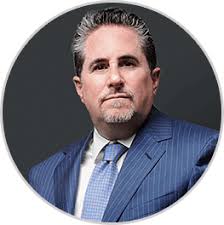
It’s the ability to see beyond the daily tasks and focus on shaping the future of the firm while still understanding the heart of the business. A true CEO listens deeply, then acts, but never loses sight of why the business exists in the first place. I learned this through years of prosecution and defense work in New Jersey courts, where you have to be decisive and accountable every single day, yet always be thinking three steps ahead for your client. It is about vision rooted in reality and about inspiring your team to believe in something greater than today. I apply that mindset to leading
Thanks to Jonathan F. Marshall, The Law Offices of Jonathan F. Marshall!
8. Deciding what truly matters
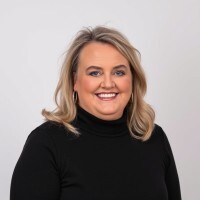
Operators keep things running. CEOs decide what is worth running at all. Early on, I was buried in files, emails, court dates, and client calls. I was reacting instead of leading. The shift happened when I stepped back and asked what kind of experience, results, and reputation we were truly building for our clients. That meant designing systems, hiring people better than me in key roles, and protecting my time to think about strategy instead of tasks. A true CEO is not the busiest person in the room. They create clarity, enforce standards, and make decisions that protect the future of the business, not just today’s workload.
Thanks to Charlotte Christian, Summit Family Law!
9. Leading beyond technical mastery

What separates someone who just manages the day-to-day from someone who truly leads as a CEO is the ability to step up out of the trenches and see the bigger picture. In the HVAC and home maintenance industry, mastering the technical side is expected, but a real CEO focuses on building a team that can consistently deliver quality work and reliable service without needing constant oversight. It’s about creating systems, supporting employees, and ensuring every client experiences professionalism and care.
Thanks to John Gabrielli, Air Temp Solutions!
10. Anticipation
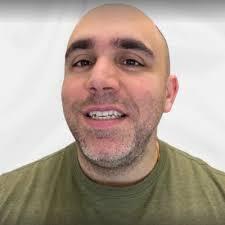
Being a CEO isn’t just about managing daily operations; it’s about looking ahead and thinking several steps forward while the shop keeps running smoothly. Operators do a great job handling issues as they come, making sure everything functions day-to-day. As a CEO, I focus on anticipating problems before they arise and considering how every decision affects the long-term health of the business. Every choice, from staffing to service style, shapes the experience and reputation we’re building for tomorrow, not just today.
Thanks to Daniel Chulpayev, Made Man Barbershop!
11. Future mindset

In my experience, operators excel at execution, but true CEOs think beyond the immediate. A CEO doesn’t just manage; they guide, anticipate, and create structures that allow their teams to operate at peak efficiency without micromanaging. True CEOs accept responsibility for results while empowering others to act decisively. They think like lawyers preparing a case: methodical, strategic, and always anticipating the next move, yet never losing sight of the human element. Leadership is about cultivating a team capable of thriving independently while aligned to a shared mission.
Thanks to Justin Lovely, Lovely Law Firm Injury Lawyers!
12. Designing systems for resilience
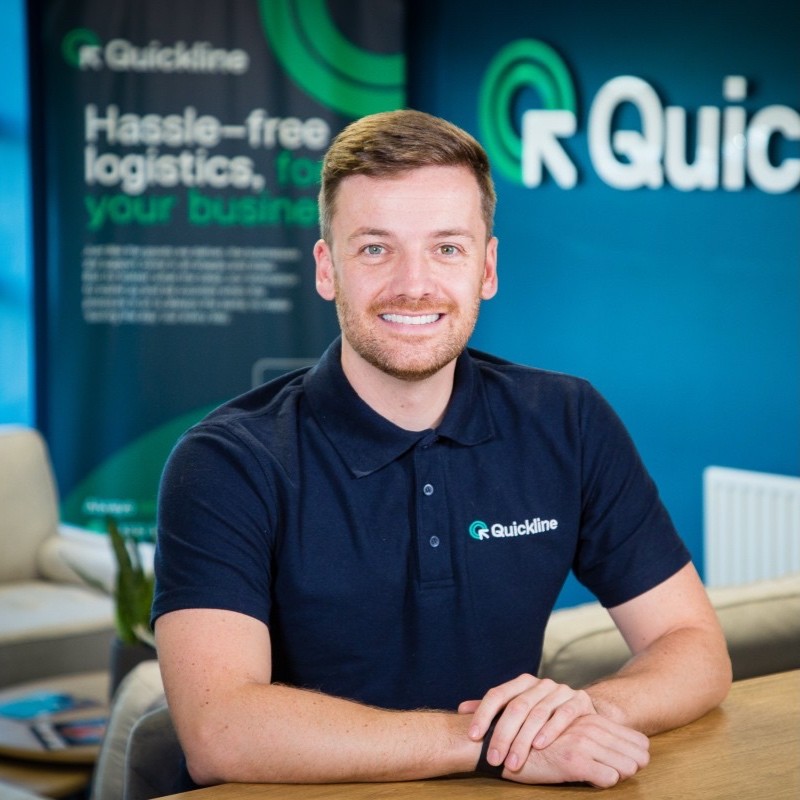
In my experience, operators focus on keeping today running smoothly, while true CEOs focus on building a business that works without constant intervention. Operators are often excellent at solving problems in real time, but CEOs step back and ask whether those problems should exist at all. The shift happens when someone stops being the smartest person in the room operationally and starts designing systems, accountability, and decision-making frameworks that scale. A CEO is thinking in terms of risk, resilience, and long-term value, not just output.
Thanks to Andy Martin, Quickline Logistics!
13. Deciding what should exist
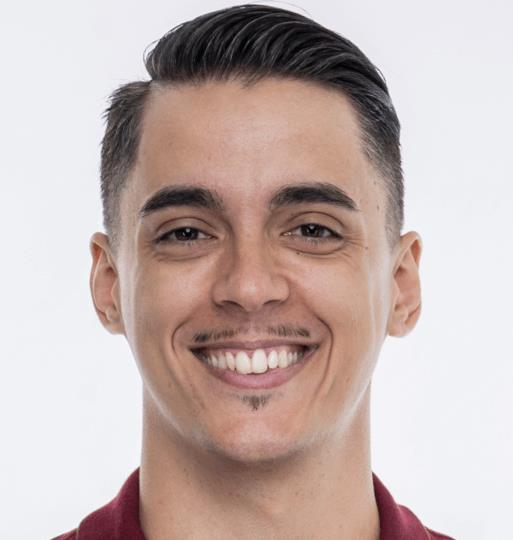
In my experience, operators focus on keeping the machine running, while true CEOs focus on deciding which machine should exist in the first place. Operators optimize execution, solve daily problems, and stay close to tactics. CEOs step back and think about systems, leverage, and second-order effects. The real shift happens when a leader stops asking “How do we do this better?” and starts asking “Should we be doing this at all?” That mindset change is uncomfortable because it means letting go of control, but it is the difference between managing work and building something that can grow without you.
Thanks to Alejandro Meyerhans, Get Me Links!
14. Where they place their attention
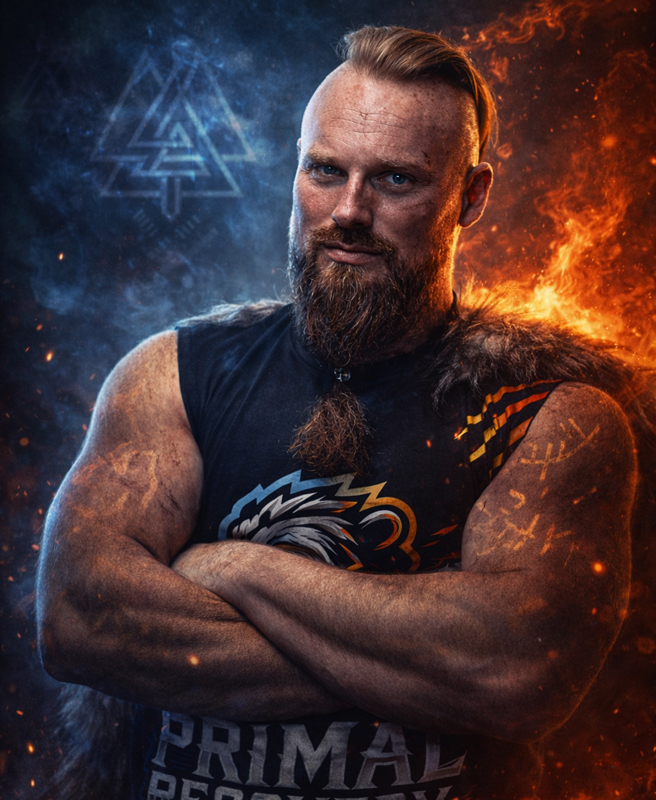
The difference between operators and true CEOs is where they place their attention. Operators live inside the business, solving today’s problems, firefighting, optimising tasks, and staying busy. They think in terms of systems, leverage, and second-order consequences. They’re less attached to doing and more committed to deciding: what matters, what doesn’t, and what should never be touched again. Operators measure success by effort; CEOs measure it by clarity, alignment, and trajectory. The moment someone shifts from asking “How do I fix this?” to “Why does this exist at all, and should it?” is usually the moment they stop being an operator and start acting like a CEO.
Thanks to Mick Owar, Primal Recovery!
15. Ability to step back

I learned the difference between an operator and a true CEO the hard way. An operator stays buried in tasks, chases emails, solves every small problem, and measures the day by how busy it feels. A CEO steps back and asks what actually moves the firm forward. I used to try to control every case, every call, every decision. That stalled growth. Then, I shifted into a CEO mindset, I focused on building systems, hiring people I trusted, and protecting time for strategy. That meant letting go of work I was good at so the firm could become great. Operators react to what is in front of them. CEOs design what the future will look like and prepare the team for it.
Thanks to Brian Joslyn, Joslyn Law Firm!
16. Systems that sustain momentum
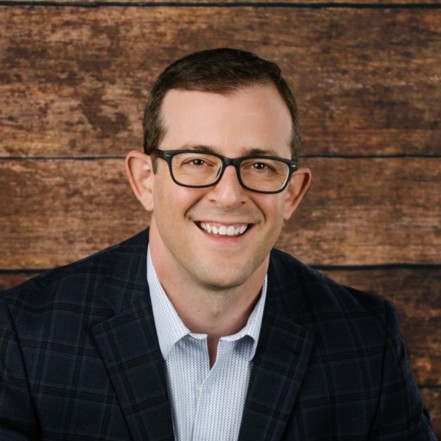
I see a clear difference between an operator and a CEO in how they approach growth and long-term results. Operators focus on completing tasks and keeping the day-to-day running smoothly, making sure nothing falls through the cracks. True CEOs, on the other hand, design systems that consistently motivate people, both inside and outside the organization. That includes employee rewards that inspire peak performance and engagement. CEOs look at the bigger picture, creating programs and structures that drive momentum, align teams, and build sustainable growth.
Thanks to Ben Wieder, Level 6!
17. Building legacy beyond presence
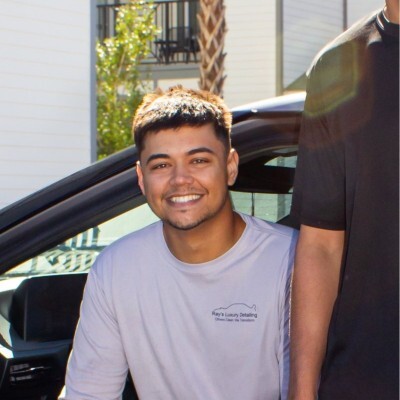
A CEO builds systems, trains people, and protects the customer experience without being the one holding the operations every day. Operators are more focused on what needs to be done today, while CEOs are future-focused and more future-ready. The change happened for me when I stopped asking how many cars I could detail in a day and started asking how I could create a company known for precision and care long after I step away. It forced me to delegate, document processes, and think about leadership every single day.
Thanks to Ray Camacho, Ray's Luxury Detailing!
18. Clarity under pressure leadership

Operators excel at efficiency; they make sure operations run smoothly, deadlines are met, and processes function as expected. True CEOs, in contrast, take ownership of the bigger picture. From my work defending clients in high-stakes criminal cases, I’ve learned that leadership isn’t about checking boxes; it’s about anticipating challenges, evaluating risks, and making decisions that carry weight well beyond the moment. CEOs see patterns, understand implications, and maintain clarity under pressure, while operators often get bogged down in details.
Thanks to Steven Rodemer, Law Office of Rodemer & Kane!